June 27, 2021
The goal today is to get out of Hattiesburg. That’s not an easy thing to do given all the things I’d like to write about. Denton still has pots brewing on the back burner, so geez, let me get a meal cooked here.
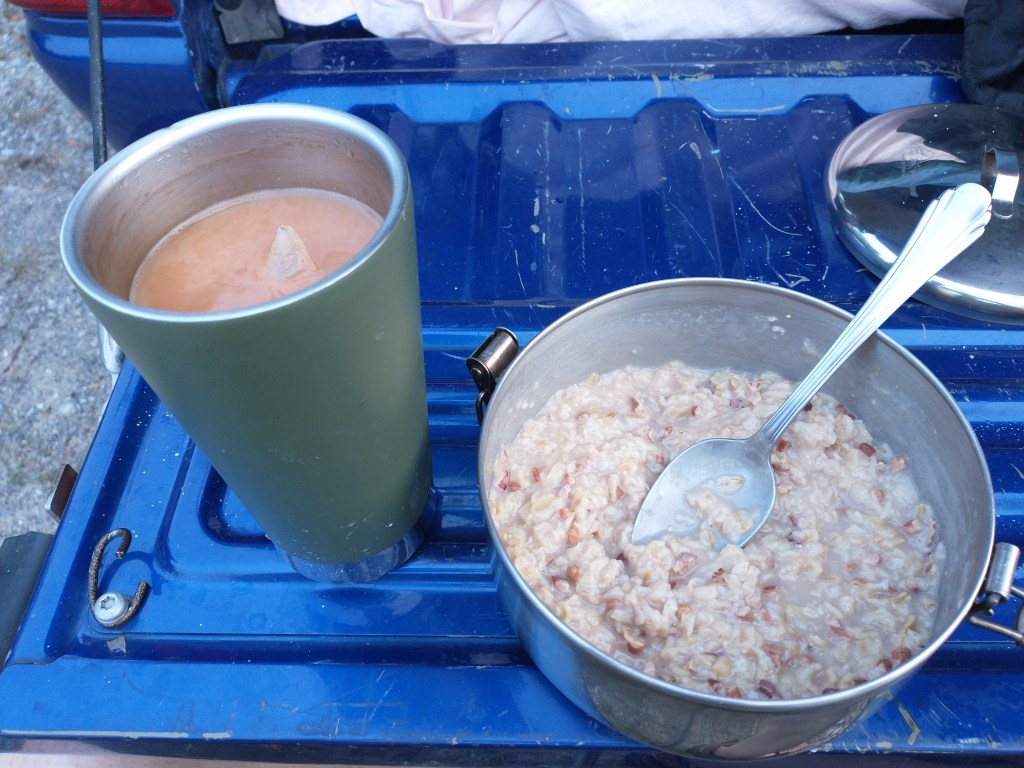
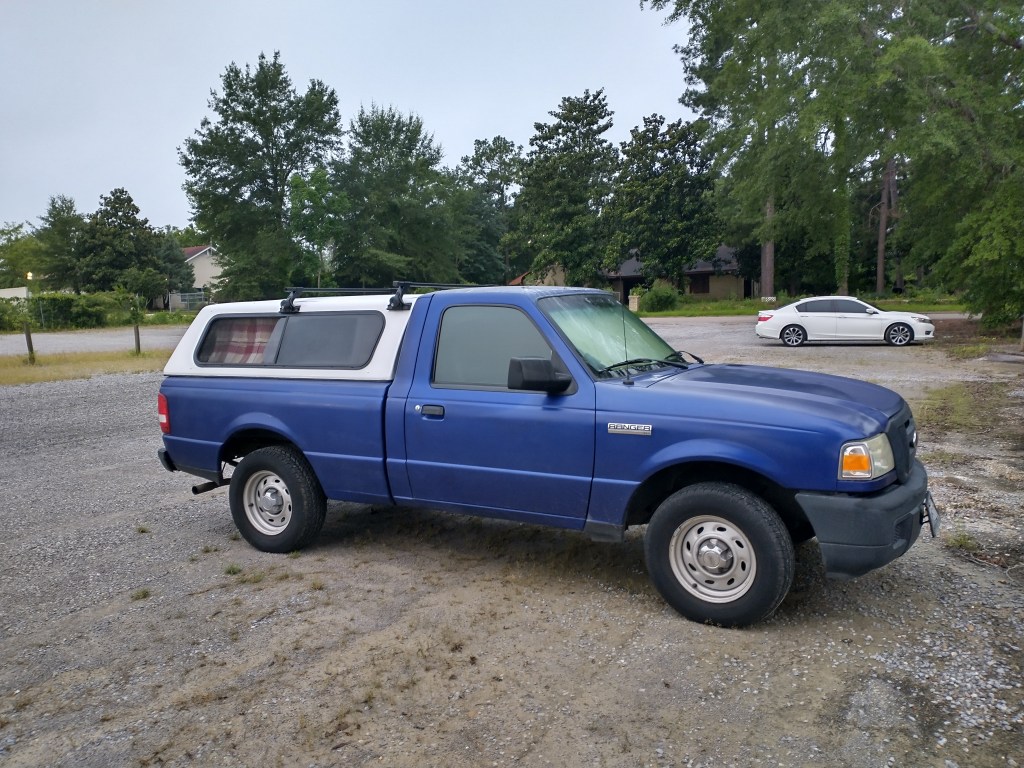
Last night I slept in a USM campus lot. Just when I thought this urban boondocking is becoming easier a campus police officer did two drive-bys checking me out this morning. But hey, he/she didn’t hassle me. Just doing their job. I’ve gotten in the habit of picking up some trash wherever I boondock. I figure if I leave it a little better than when I show up I’m building a little good karma.
For a college town, Hattiesburg has too many parking lots. There are beginning signs of a bike culture here. Elijah has plans for his next column (he writes one for The Pinebelt News) to talk about sidewalks. The main thoroughfare, Hardy Street, is basically one plant and grass lawn landscape broken up by lots of concrete business entrances. Makes it hard to walk down the street. Elijah praises a local restaurant entrepreneur (maybe baron is a better word—he has six successful eateries in town) who is putting sidewalks in front of his restaurants next to the street.
I’ve also noticed a lot of new traffic calming efforts in town, especially in the form of planted medians. These are all first step efforts to give pedestrians and bicyclist a larger share in our car-dominated culture, making the landscape safer and more accessible.
—————
The oppressor controls the historical narrative.
Elijah just wrote an article about the Tulsa, Oklahoma Massacre of 1921. It has a full page spread in The Pinebelt News. He credits popular culture for clueing him in—specifically the tv series The Watchman and Lovecraft Country. In these past few days I’ve learned some history about Hattiesburg I never knew. Why is that local history so often denied public education students?
Goula is the word used by the black community to describe the section of town Elijah grew up in. We theorized the etymology of the word may derive from the coastal African Americans in SC and Georgia named the Gullah, many of whom, to this day, retain an African accent. Someone I just met in a McDonalds thinks it derives from Pascagoula Street which is in the vicinity and also a Mississippi coastal city. Looking on a map the Leaf River flows into the Pascagoula River, so Goula may simply be an earlier name for the Leaf River.
The name I was familiar with for the black section of town was the quarters (sometimes called the bottoms). I went over the railroad tracks to this section to take my mom’s beer cans to the recycling center, to get our yard pecans shelled by a company with a special machine, and in the tenth grade riding the bus to school everyday.
There are many fewer houses in the flood zone area of the black neighborhoods that existed when I was here. The city doesn’t issue permits for homes there anymore. A large new park in the Goula borders the Leaf River and has open spaces for games, a stage, and natural wetland areas with trails to walk through and observe nature as it is without human interference. The area is becoming less and less “the black section” of town and more and more just “town”. While we were at the park two helmeted bicyclist came through.
“Look, those are white people,” I said to Elijah.
“No they aren’t. Wait, they are white. The first person is but the…wait, she’s white too.”
Hattiesburg proper is now majority African American and that population isn’t confined to one specific area. A black mayor was in office for four terms (16 years) until recently. (I’ll let Elijah talk about his feelings concerning this individual.)
A few days ago Elijah showed me where the house he grew up in had been. There were only a few bricks buried in the ground that were left. It wasn’t a flood that took it away but a tornado that touched down about four years ago. Elijah hadn’t lived there for a long time. His mother sold it many years before.
Down at the old city hall there is a confederate statue praising the men and women of the confederacy. I’m not sure what should be done with these old monuments. My first instinct is to have them taken down and destroyed, but there are some good arguments for leaving and contextualizing them.
I was aware of the long history of voter suppression here. In the historical timeline blacks have been able to vote only a few years compared to the hundreds they weren’t. But there was right-to-vote activism that I never knew about.
A few feet away from that confederate statue is a new statue of Vernon Dahmer, a mixed race community leader who died at the hands of the KKK trying to give people the vote. That’s a start to balancing things out. Elijah was at the unveiling of the statue shortly before the pandemic hit. A new park is named after Dahmer too.
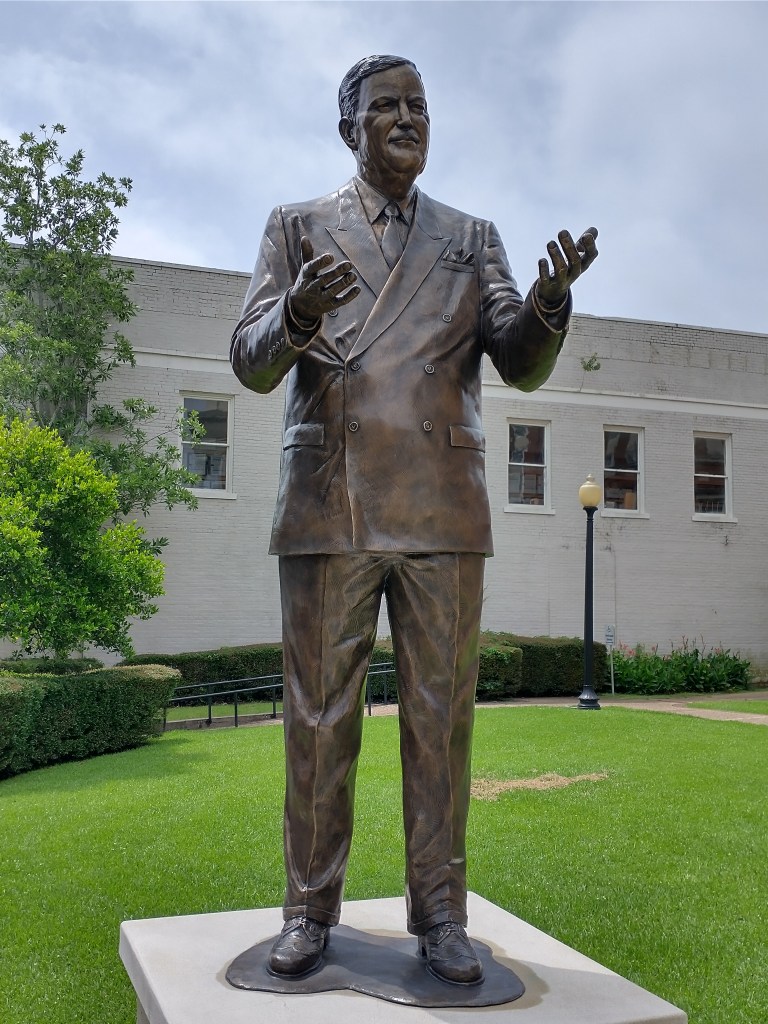
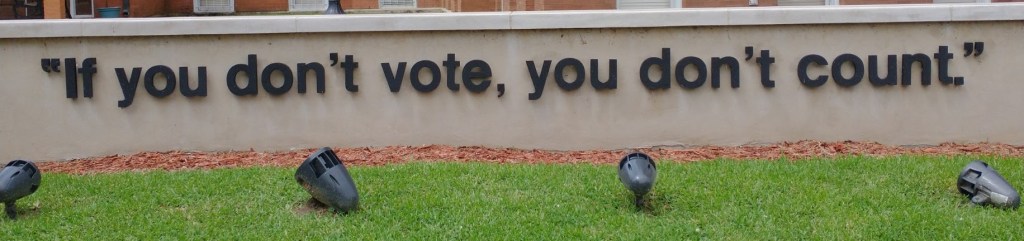
https://en.wikipedia.org/wiki/Vernon_Dahmer
“Things are changing Eric!”
Elijah emphasized this over and over again during my time here. His positivity is infectious. I was suddenly learning all these new stories. Each contained differing levels of inspiration and horror. But cracking open the vaults of history and letting in the light is where healing comes from, not hiding it away.
The story of Clyde Kennard hit me like a blow to the guts.
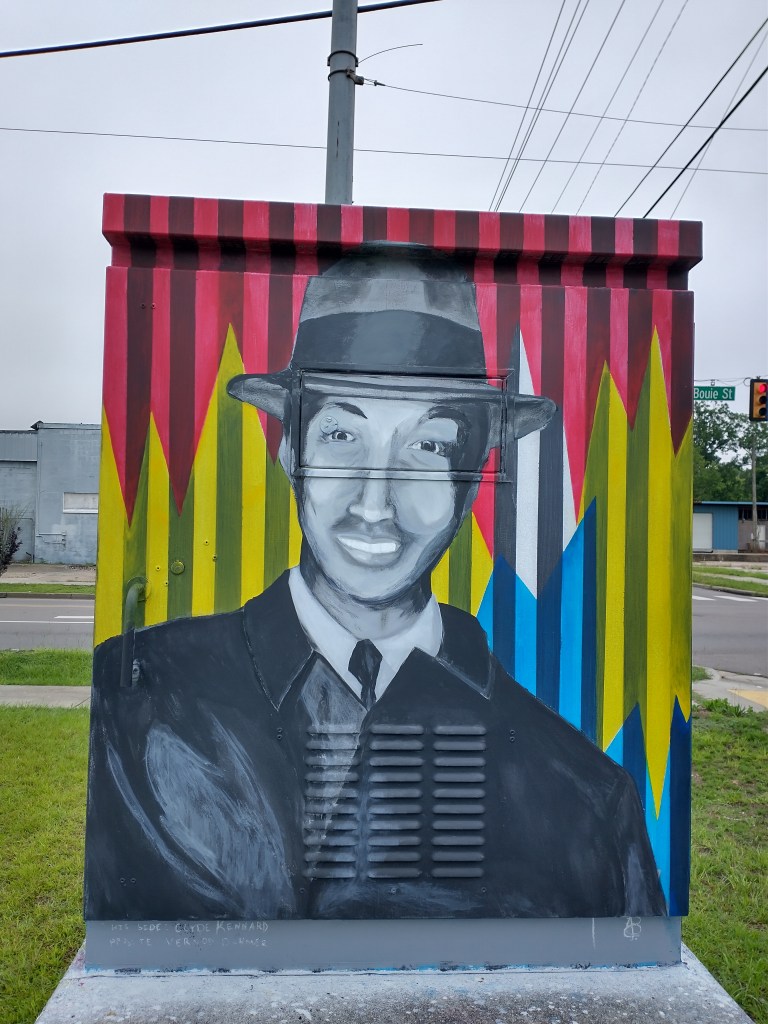
https://en.wikipedia.org/wiki/Clyde_Kennard
Hattiesburg has begun to shed light on these stories with the new Sixth Street Museum District.
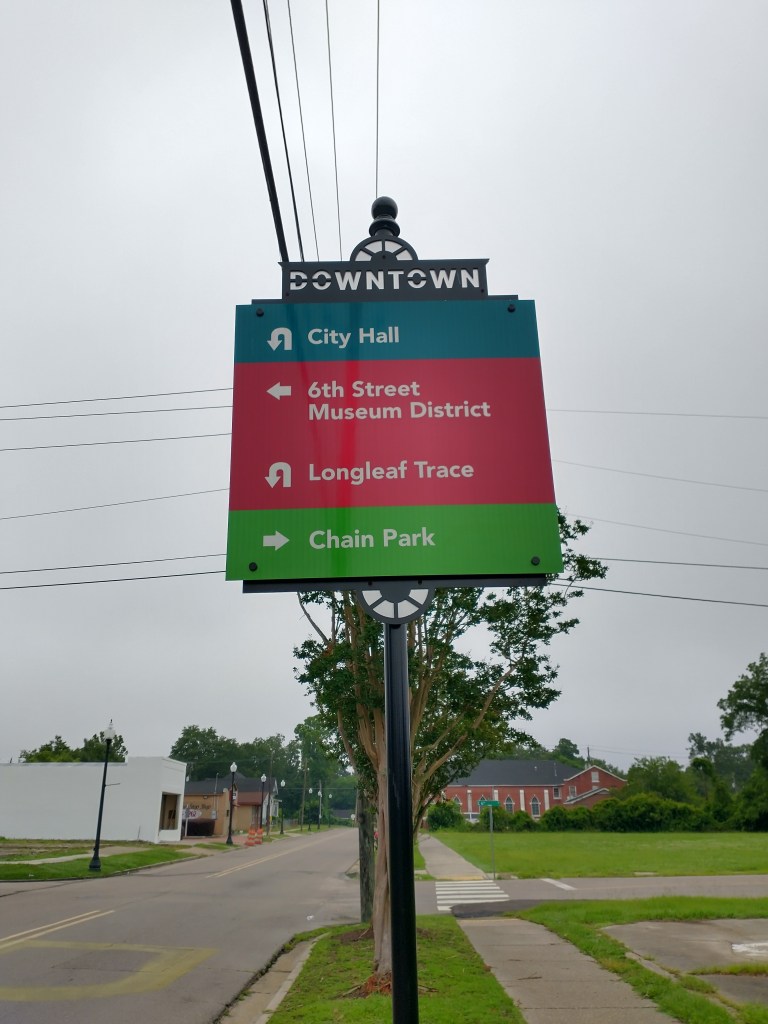
It’s blocks away from where Elijah grew up and went to school at Eureka Elementary, a segregated all black elementary school that has been renovated as an African American History Museum. Elijah’s mom was a teacher there and later the principal. Elijah had her for third grade.
“She made me call her Mrs. Jones like all the other kids,” he said. At recess he could call her Mo’Dea, a black conjunction for Mother Dear. In Tyler Perry’s popular movies it is Madea, but Elijah takes issue with that spelling. I told him he should see if he can get a consulting job with Perry and straighten him out.
Expect a second email today with more pictures of the Sixth Street Museum District.
 Spotty West Goes East