I got into some serious shit on my land. By shit, I mean poison ivy. I’m posting a picture of my left flank which suffers the largest lesion. The picture is at the bottom of this post so you can easily avoid it if medical photography is not your thing.
The cause — sheer stupidity. I’d guesstimate that about fifty percent of the ground cover on this land is poison ivy. I tend to remove it from trails when it gets above boot level. Then I use leather gloves to pull it up or a pick ax to chop it out by the root.
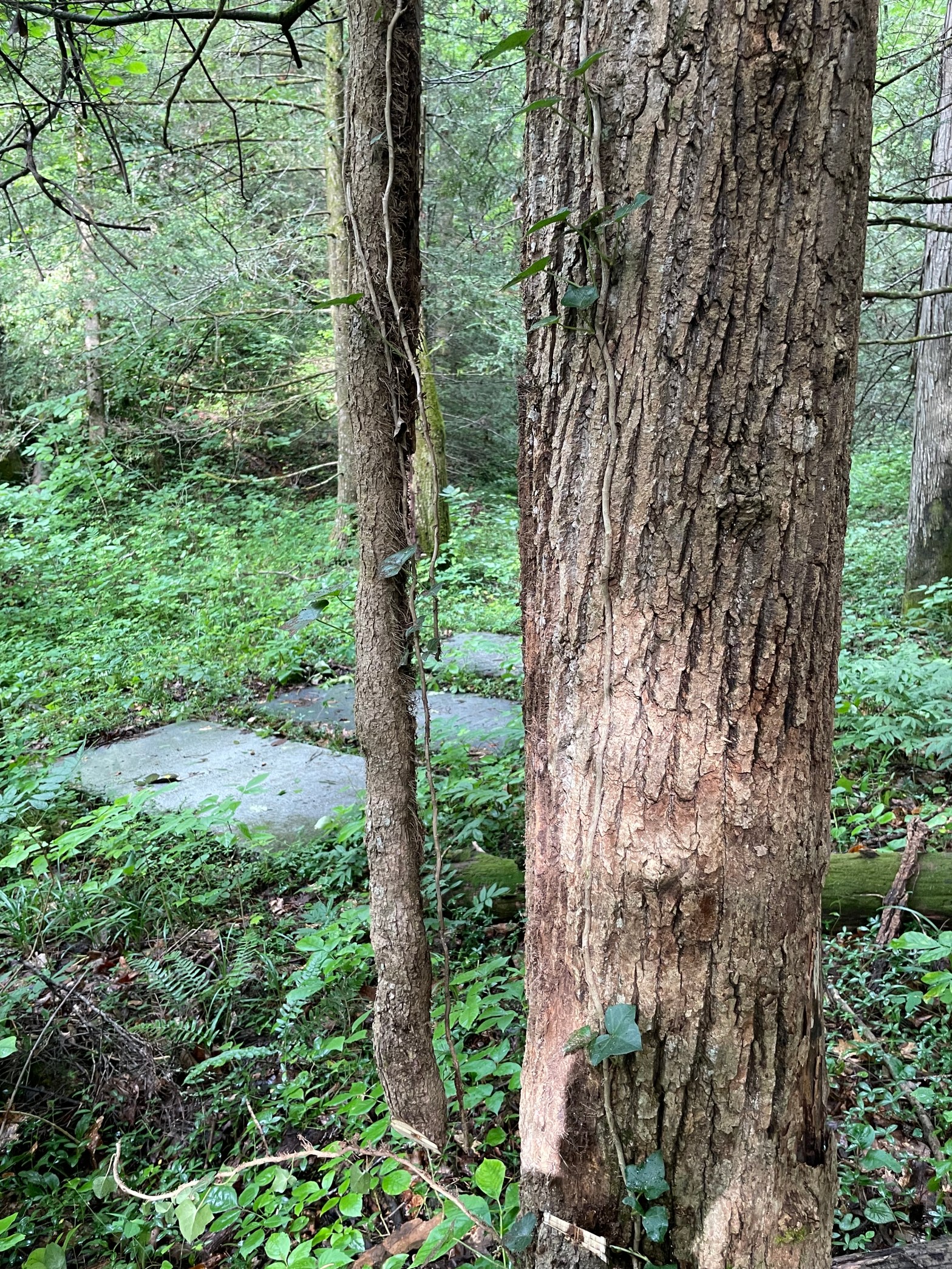
I’m so habituated to seeing it everywhere on the ground that I had a large brain fart about how the word ivy—right there in its name—implies something that climbs. I just wasn’t thinking about it when I became interested in all the small and large vines barber-polling up many of the trees. I wondered if they were hurting them.
I picked some of the leaves from the most predominant vine and held them up in my bare hand to take a picture for google photos to ID later at home. When the words poison ivy came up I said to myself, “These google photos are misidentifying plants. I know poison ivy. It’s all over the ground. I’m looking for a vine that climbs! Geesh Google, how stupid can you be?”
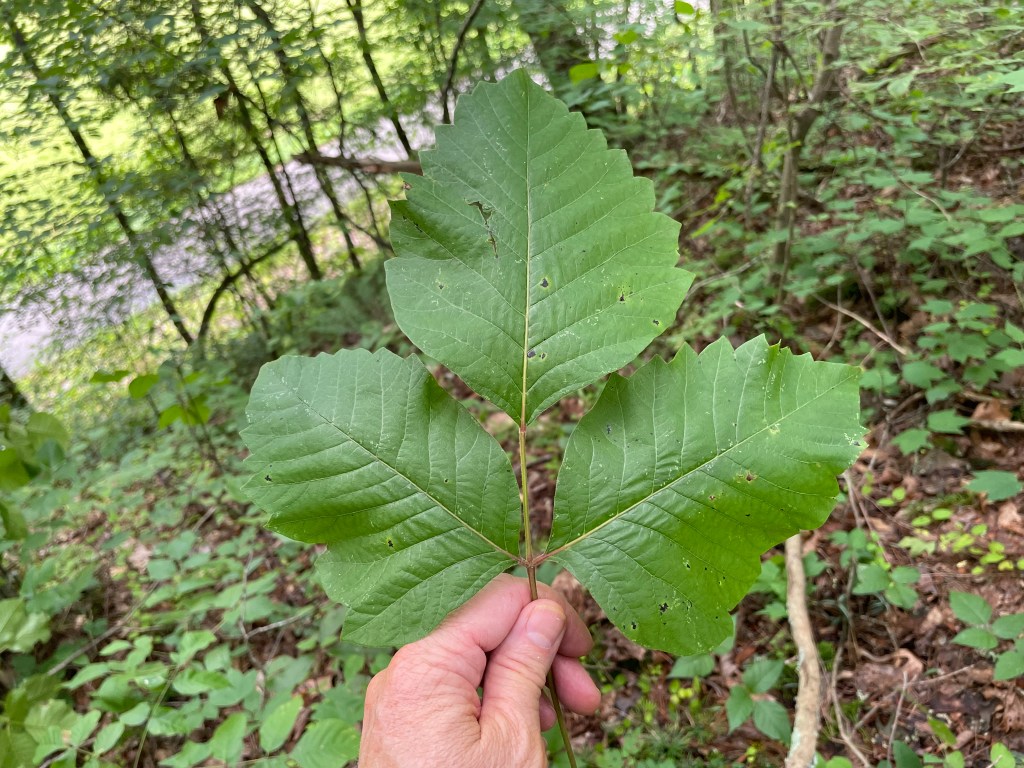

Also, my brain-data-base did not make important correlations with popular animated and action-based media that often portray poison ivy climbing up columns at break neck speed or in more hyperbolic depictions as bulging, zombie veins growing like earthquake fissures under a person’s skin.
A wikipedia search of climbing vines stated that they do not, as commonly thought, choke the life out of trees. Nevertheless they get into the canopy and compete for light and can eventually kill a tree that way.

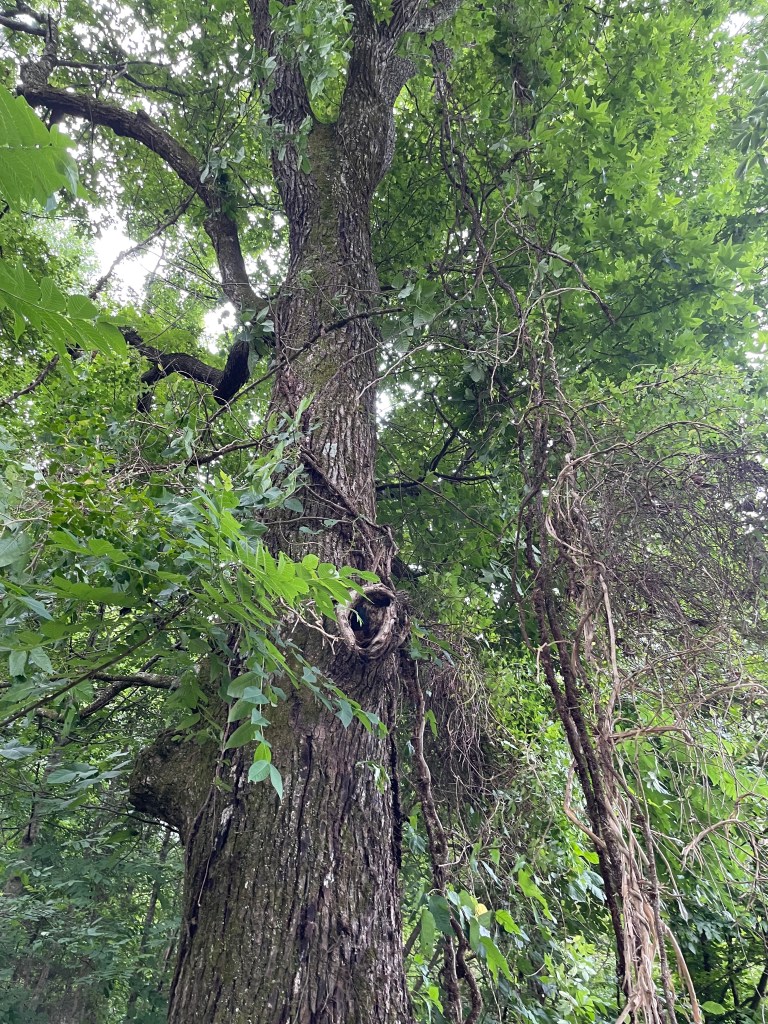
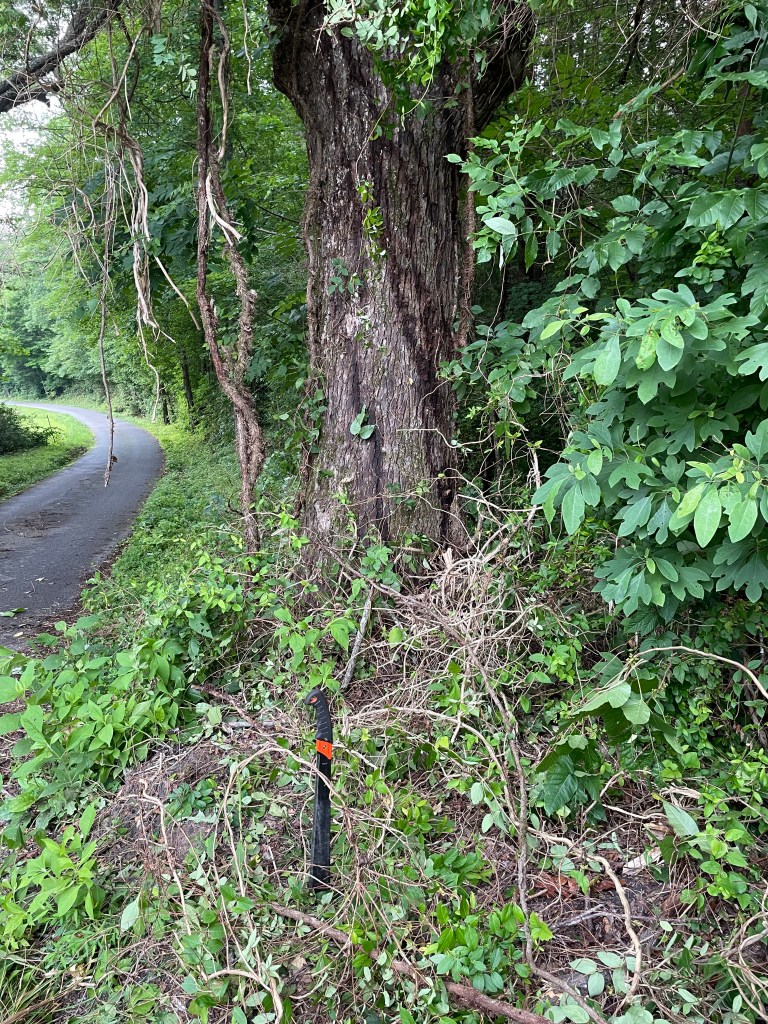
The next day, after poo-pooing Google’s plant identification, I spent close to an hour pulling down dozens of vines that were engulfing a large oak next to the road. The tree is one of the largest on the property and sits next to the neighbor’s mailbox. Its predominance make it the perfect place to start a vine removal campaign. I’ve still not determined if this is an important program to undertake in forestry health, but for this single tree it seemed like a good thing.
By itself the tree has a lovely canopy and while I like the look of bare vines as they spiral up a trunk, these were leafing out at different levels giving the tree an ugly bibbed and girdled look.
Feeling properly motivated for this bit of beautification I ignored further ponderings about what its vine might actually be. Instead I focused on how it would look when I was done. With machete and, again, bare hands I set about the task. Ninety percent of the vines were poison ivy.
Going at it I reflected on my experience watching Tarzan and other movie characters that swing on vines. I appreciated the realism when I remembered a character who tugged on a vine first to see if it would hold before trusting their weight to it.
After cutting a vine from the base of the tree, I experienced a satisfying popping sound as I peeled it off the trunk, separating hundreds of short, horizontal tendrils that clung to the tree off each side of the vertical creeper. When the pulling reached the first fork of the trunk the vine would hang free. At this point, about half of the vines could then be pulled down like a rope dropped from a great height (attendant with a shower of duff). Some vines, however, had continued on a more circuitous route, criss-crossing large branches in ways that tied them securely to the tree. The thicker of these could support my weight and, being a fool, I swung around the base of the big oak and even tested a foot-on-trunk assent.
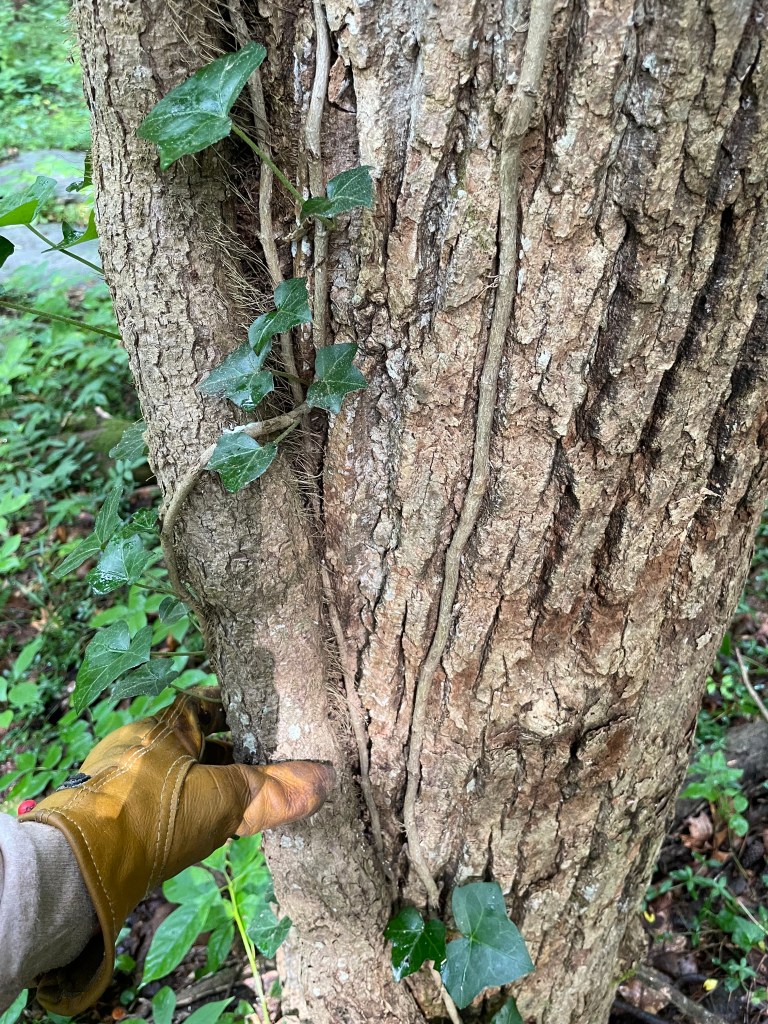

The next day I had a small red bump in a few places and noted a sort of heated tingling in different areas. I thought this was a sign that I had gotten into a small bit of poison ivy somewhere, NOT that my body was preparing for a full on war with armies of haptens, cytokines and chemokines amassing lines of warriors across battlefields of my flesh, on side flanks and inner thighs. Nor was I aware that scouting parties had ventured out along all my appendages and would soon begin engaging in guerrilla warfare on spotted islands surrounding my belly.
Four or five days in, the dermal carnage seemed to reach its goriest with the largest wound weeping yellow tears that dried to my shirt with crystals. During the second week my skin smoothed out and became less grotesque, but its itchiness reached its zenith.
I resorted to fighting fire with fire. Two a.m. hot showers that threaten to give me first degree burns can best be described as euphoric. Shower wand in hand, temperature set to scorch, I bring in the heat with a flagellating rhythm to douse the main battlefields then back burn and lay waste to any skin that would otherwise be taken by the urushiol-invoked monsters of war.
Body steaming like a scorched earth, I turn the shower dial down to the coldest setting and bring on the cooling rain.
Water off, I step from the shower, pat dry then walk about naked. Only when I’m completely air dried do I meticulously cover every patch, spot, dot and line of red with Calamine Lotion.
I’ve experimented with most remedies — Cortisone 10, Diphenhydramine Hydrochloride, Green Goo, Aloe Vera, Aveeno Lotion. They all can help—especially in the day time when I’m active and my focus is somewhere else. But at night, when I’ve got nothing but my thoughts, Calamine seems to be the thing—with ice packs and the blessed air conditioner turned low.
I got a prescription for Prednisone last Wednesday, but if it’s helping I haven’t noticed. The itching seemed to get worse when I started taking it, but I’m afraid to stop because what if it is helping?
I’ve been back from Tennessee almost a week now. The physical challenges due to my hip problem and the poison ivy kept me from completing as much on the land as I otherwise might have but I do have progress to share. Another post will soon follow.
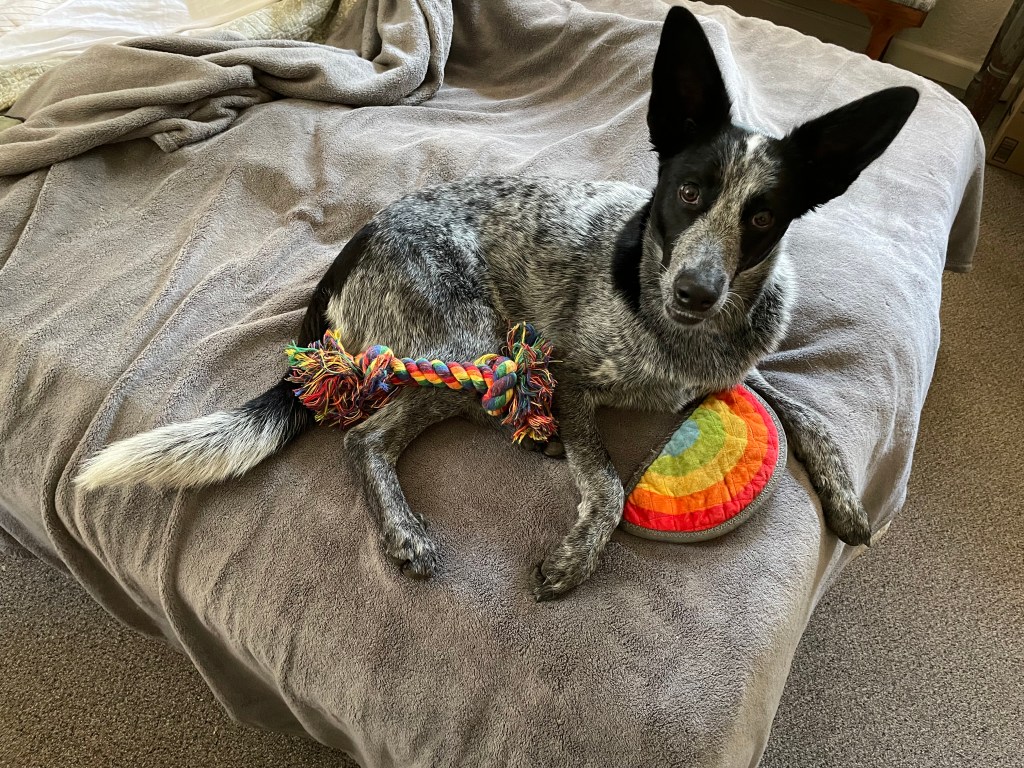
I’m so happy to be reunited with Sasha. I don’t think I’ve ever experienced such a pure, uncomplicated, longing for another living being.
Left Flank Rash Progression

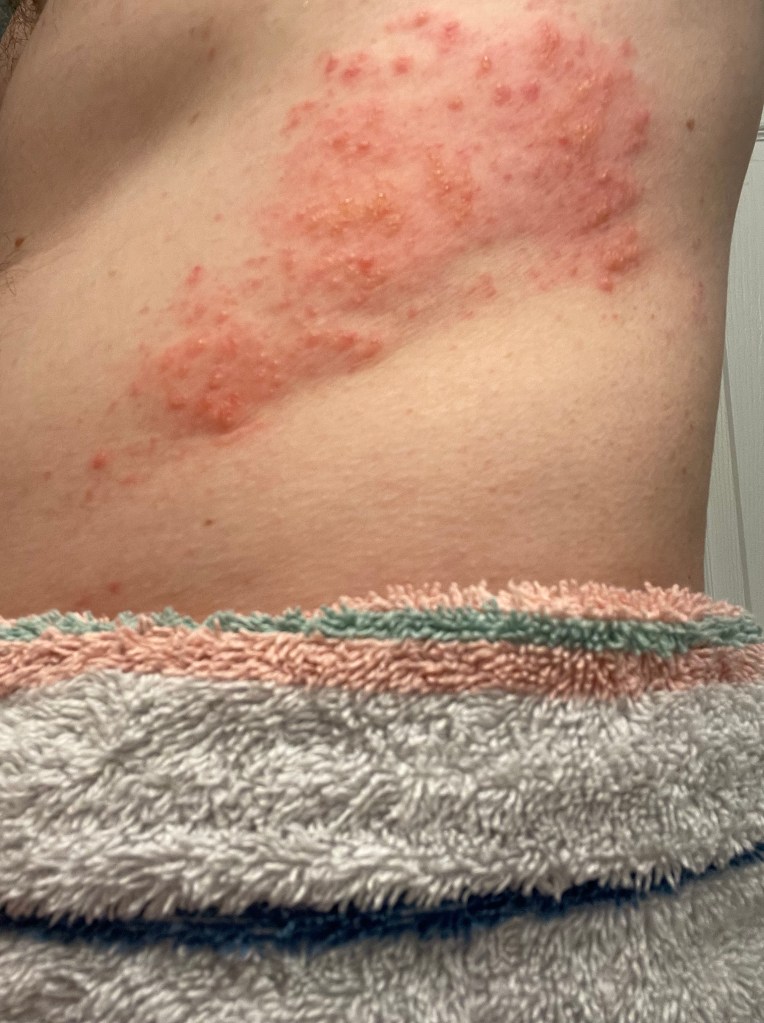
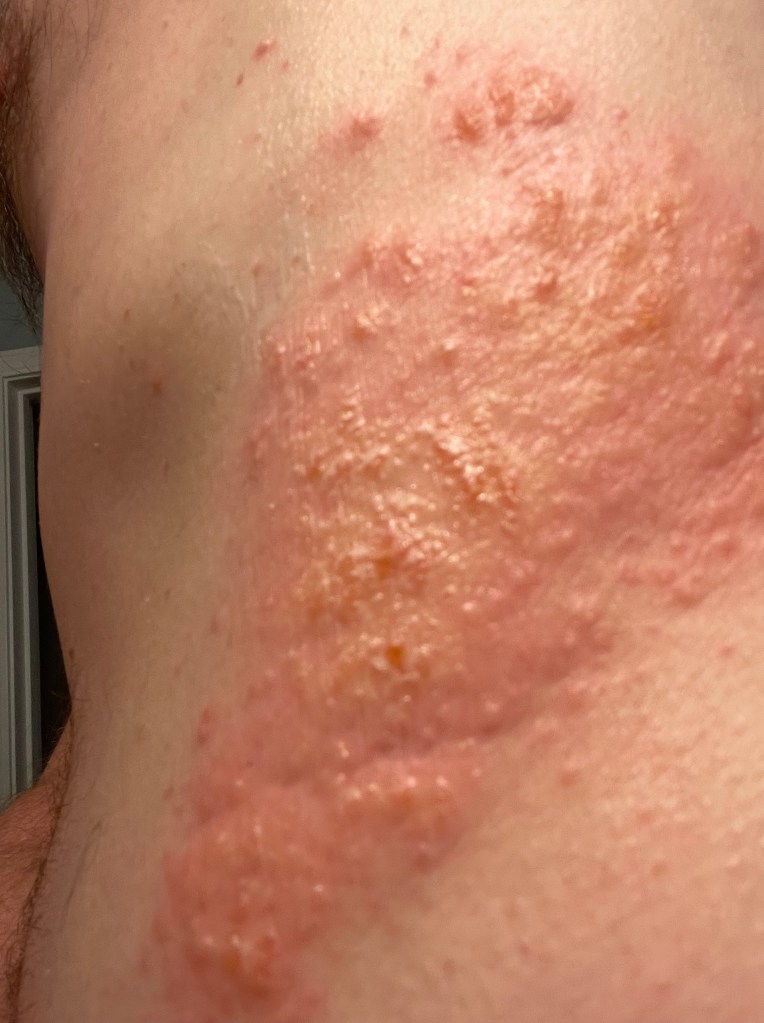
 Spotty West Goes East